
About Us
Dedicated Guardians of the Natural World.
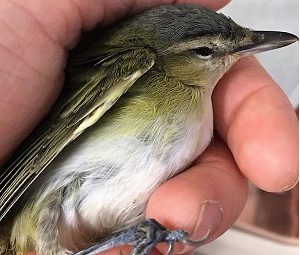
Two Hearts Wildlife Rehab Rescue and Sanctuary is built upon the foundational principle of humane stewardship, operating officially as a licensed 501(c)(3) non-profit organization focused solely on native wildlife. Our operations encompass a full spectrum of care, starting with emergency rescue and intake, moving through a dedicated, state-of-the-art rehabilitation process, and culminating in careful and scientifically informed release efforts. This journey is overseen by a team of veterinary technicians, licensed rehabilitators, and experienced volunteers who adhere to the highest standards of animal welfare and ethical practice, ensuring that the primary goal is always successful reintroduction into the wild. We maintain specialized housing, including heated nursery units for orphans, flight cages for raptors, and large pre-release enclosures designed to minimize habituation and promote natural behaviors like foraging and predator avoidance. Our organizational structure ensures round-the-clock availability for critical emergencies, making us a reliable resource for local law enforcement, animal control, and the concerned public in the Sunset, SC area and surrounding counties, reinforcing our role as crucial first responders for imperiled wildlife.
Educational Philosophy
Our educational philosophy extends beyond mere observation; we aim to foster a deep, actionable understanding of wildlife conservation and human-wildlife coexistence within the community. We firmly believe that the best defense for wildlife is an informed and empathetic populace, which is why we dedicate significant resources to public outreach, including presentations, informational materials, and guided workshops (subject to health and safety protocols for our patients). The core tenet of this philosophy is the concept of non-interference and responsible reporting, teaching citizens when to intervene, how to safely transport an animal, and—perhaps most importantly—when to simply leave an animal alone, such as seemingly abandoned fawns or baby rabbits. By illustrating the complex, fragile nature of wildlife rehabilitation and the high standards of care required, we empower community members to become proactive stewards of their local environment, thereby reducing the instances of human-caused injuries and conflicts that necessitate our rescue services in the first place.
Our Story
Founded on a Deep-Rooted Love for All Creatures.
The journey of Two Hearts Wildlife Rehab Rescue and Sanctuary began over a decade ago with a simple, yet profound, act of compassion by our founders, recognizing a critical void in local resources dedicated to injured native wildlife. Starting as a small, home-based operation specializing in migratory birds and small mammals, the immediate and overwhelming need for professional, permitted care quickly became apparent, prompting the formal establishment of the organization. The initial challenge involved securing the necessary state and federal permits, building appropriate, non-public enclosures, and developing a network of trusted veterinary professionals willing to donate time and expertise to non-domestic patients, all while managing the constant influx of new rescues. This pioneering spirit and determination to provide licensed, high-quality care quickly earned the trust of local authorities and the public, leading to rapid expansion of both our physical facility and our capacity to handle larger, more complex species, laying the groundwork for the comprehensive center we operate today.
Journey and Growth
Our growth has been an organic, necessity-driven evolution, marked by continual infrastructure improvements and the adoption of increasingly specialized rehabilitation methodologies. Following the acquisition of the dedicated acreage at 149 Wishing Well Ln, we transitioned from a small facility to a fully operational sanctuary equipped with medical isolation rooms, large outdoor flight enclosures (essential for raptor and waterfowl conditioning), and quarantine areas to prevent disease transmission among patients. The expansion of our volunteer base, coupled with the establishment of formalized training programs, allowed us to dramatically increase our intake capacity while maintaining the highest standard of one-on-one care, cementing our reputation as a trusted regional resource. Each phase of growth has been meticulously planned, driven by data collected from successful releases and guided by the latest research in wildlife ethology and veterinary medicine, ensuring that every newly built structure or protocol enhancement directly contributes to the welfare and successful re-wilding of our animal patients.
What We Do
Our Comprehensive Approach to Wildlife Care
The critical phase of rescue and intake begins immediately upon receiving a call or having an animal delivered to our center, requiring swift, systematic assessment to maximize the chance of survival and recovery. Our protocols dictate that every animal undergoes immediate triage upon arrival, which includes stabilizing life-threatening conditions, performing a thorough physical examination for external injuries, and initiating pain management as quickly as possible, often in consultation with our collaborating veterinarians to determine the need for immediate surgical intervention or specialized diagnostics like X-rays. Detailed documentation is created for each patient, recording the location of rescue, the presumed cause of injury, species, age class, and initial prognosis, all of which is critical for guiding the subsequent rehabilitation plan and legal release documentation. This initial process is deliberately designed to be as stress-free as possible for the animal, utilizing quiet, dimly lit environments and minimal handling, recognizing that stress can significantly impede the healing process in wild patients who are not accustomed to human presence.
The Daily Rhythms of Healing and Preparation for Release
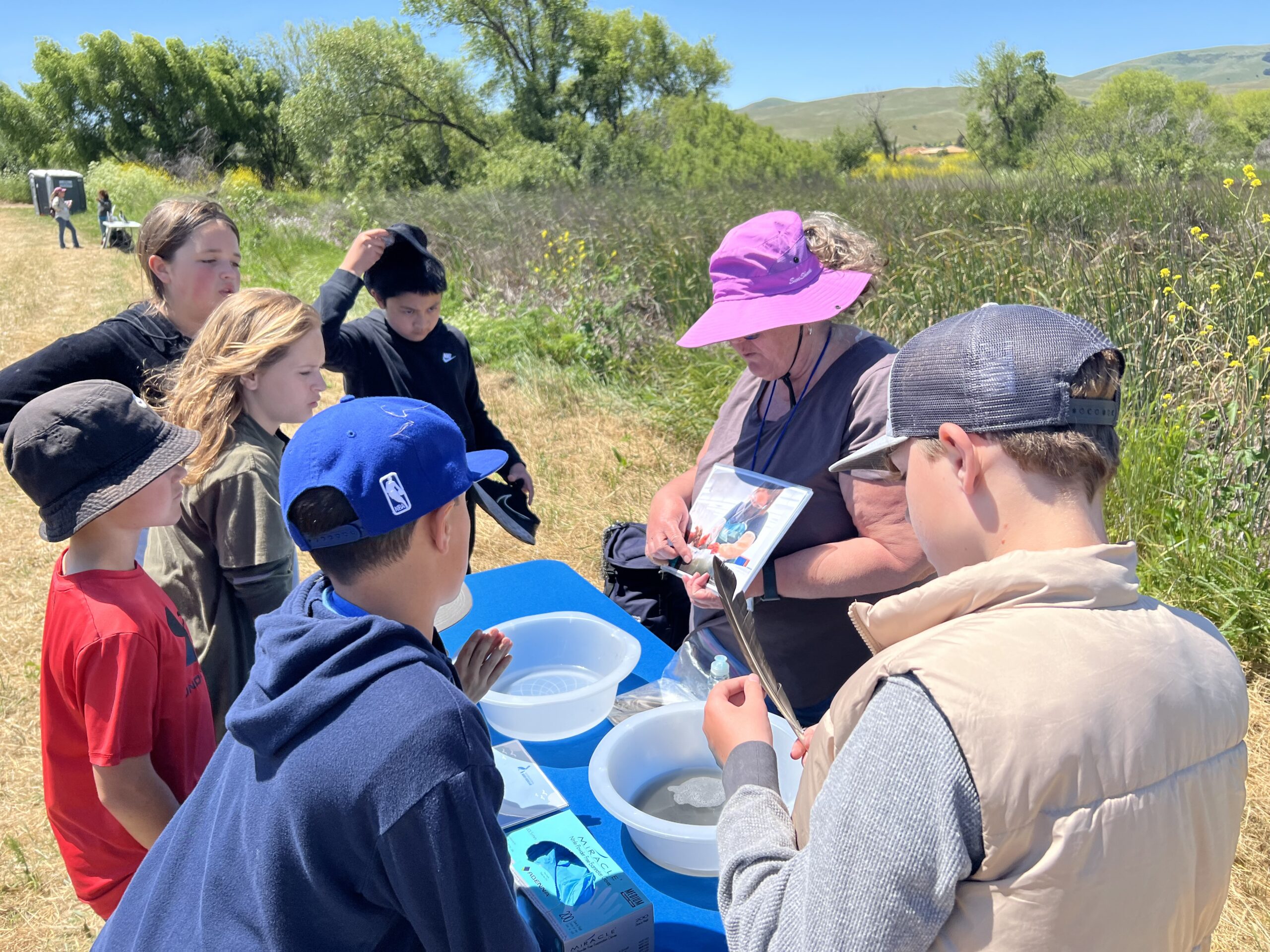
The daily activities within the sanctuary are meticulously structured around the individualized needs of each patient, primarily focusing on physical recovery, proper nutrition, and conditioning for release while consciously minimizing any unnecessary human interaction that could lead to habituation. Essential daily tasks include cleaning and sanitizing species-appropriate enclosures, preparing and delivering specialized diets tailored to the animal’s age and medical status (e.g., milk replacers for orphans, high-protein supplements for recovering raptors), and administering medications or performing wound care as prescribed by our veterinary team. A significant portion of the day is dedicated to behavioral and physical therapy, which can involve supervised swimming for waterfowl, climbing exercises for arboreal mammals, or extensive flight conditioning in large enclosures for birds, all designed to rebuild muscle strength and coordination essential for survival. This strict regimen ensures that the animal is not only healthy but also retains a healthy fear of humans and is fully capable of navigating its natural environment upon return.
Our Mission
A Second Chance for Every Injured and Orphaned Animal
The mission of Two Hearts Wildlife Rehab Rescue and Sanctuary is unwavering: to provide exceptional, specialized care to native wildlife in need, with the singular goal of rehabilitation and successful return to the wild, ensuring that every injured or orphaned creature receives a second chance at life in its natural habitat. This commitment involves securing the necessary permits and maintaining the highest ethical and medical standards, recognizing the profound responsibility we bear for the lives entrusted to us and the integrity of the natural world. Our work is driven by a deep understanding of wildlife biology and the complex challenges of coexisting with wild populations, necessitating not only physical healing but also the crucial behavioral conditioning that enables successful re-wilding and long-term survival post-release. We are constantly seeking to refine our techniques, expand our knowledge base, and collaborate with conservationists and veterinarians to ensure our practices represent the absolute best available care for the diverse array of species we serve, solidifying our pledge to wildlife preservation.

Our Vision
Building a Future Where Wildlife Thrives Alongside Humanity
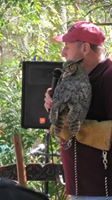
Our vision is to see a future where the necessity for extensive wildlife rehabilitation is significantly reduced, achieved through widespread public awareness, responsible human development, and a shared community commitment to environmental stewardship. We strive to be recognized as a leading authority in compassionate wildlife rehabilitation and public education in the region, using our success stories and scientific data to inform broader conservation efforts and policy discussions regarding habitat protection and conflict mitigation. This vision includes expanding our facility to incorporate specialized, non-public viewing habitats for educational purposes (using non-releasable ambassador animals) and establishing a formalized research program focused on post-release monitoring to better understand the long-term impacts of rehabilitation. We believe that by fostering a more profound connection and mutual respect between humanity and the wild, we can contribute to a healthier, more balanced ecosystem for generations to come, moving beyond mere rescue to fundamental conservation.

Our Vision
Compassion, Integrity, Expertise, and Stewardship in Action
The daily operations of Two Hearts are governed by four core values: Compassion, the empathetic drive to alleviate suffering in every animal we encounter; Integrity, ensuring all our actions are transparent, ethical, and legally compliant under state and federal wildlife regulations; Expertise, committing to continuous professional development, scientific rigor, and specialized medical protocols; and Stewardship, recognizing our responsibility to protect the environment and educate the public on responsible care for all natural resources. These values dictate everything from our fundraising practices, which prioritize direct patient care, to our interactions with the public, which are always respectful and informative, even in stressful situations. We maintain a zero-tolerance policy for euthanasia unless it is strictly recommended by a licensed veterinarian to prevent intractable suffering or if the animal’s injuries make successful re-wilding impossible, always prioritizing quality of life and the ethical outcome for the patient.
Our Team
Dedicated Professionals and Passionate Caregivers
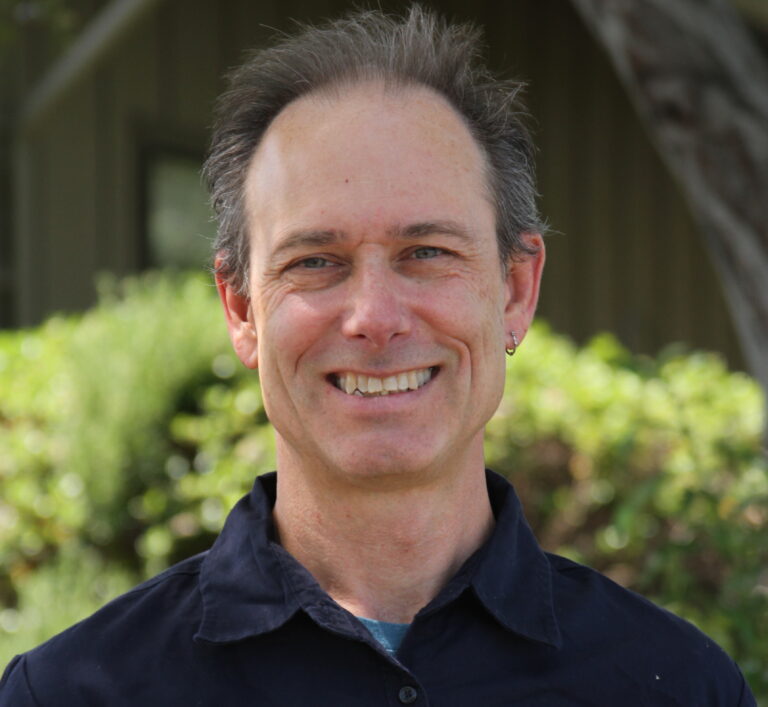
Michael Chen, Director of Operations and Licensed Wildlife Rehabilitator
Michael Chen serves as the Director of Operations and a Senior Licensed Wildlife Rehabilitator, bringing over fifteen years of experience in high-volume rehabilitation centers across the Southeast to his role at Two Hearts. His deep-seated expertise spans avian, mammalian, and specialized raptor care, and he holds advanced certifications in critical care for orphaned neonates and complex fracture management, grounding the organization’s practices in scientific rigor and proven techniques. Michael’s leadership style is characterized by a calm, meticulous approach to crisis management and an absolute dedication to fostering a collaborative, supportive team environment, ensuring that volunteers and staff feel empowered and expertly trained. Beyond the daily demands of running a busy facility, he is responsible for facility maintenance, regulatory compliance, and liaising with state agencies, ensuring that every enclosure and protocol meets the stringent federal and state requirements necessary to operate legally and ethically, making him the strategic backbone of the sanctuary’s success.
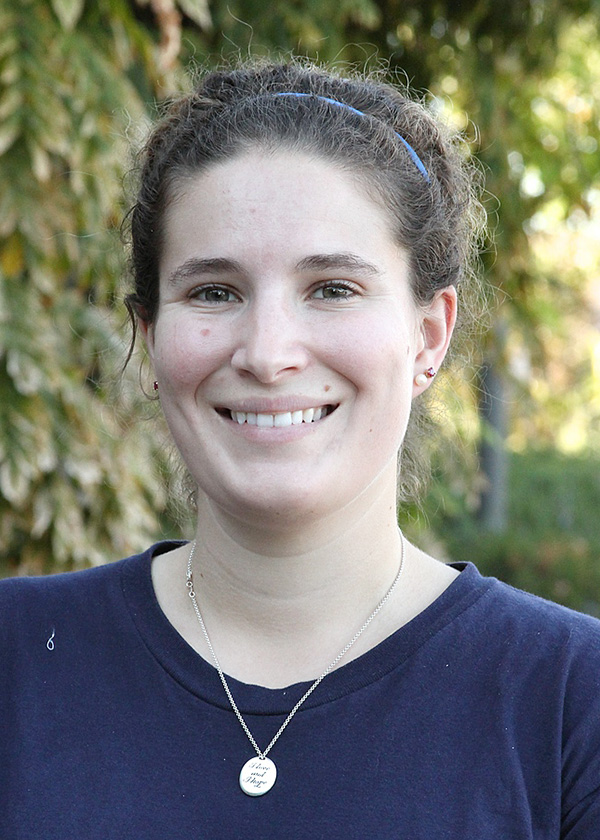
Dr. Sarah Rodriguez, Consulting Veterinary Specialist
Though not a full-time staff member, Dr. Sarah Rodriguez is the invaluable Consulting Veterinary Specialist for Two Hearts, providing critical medical oversight, surgical services, and diagnostic interpretation that is essential for complex patient care. A Board-Certified Veterinary Surgeon with a passion for exotics and non-domestic species, Dr. Rodriguez dedicates a significant portion of her professional time to performing intricate orthopaedic procedures, managing severe trauma cases, and developing medication protocols for our patients, often at heavily reduced or donated rates. Her involvement ensures that the animals under our care receive the same high level of medical attention as domestic pets, directly impacting the success rate for severely injured animals who would otherwise have no chance of survival in the wild. Dr. Rodriguez also plays a vital educational role, training our core team on proper triage techniques, administering specialized injections, and monitoring post-operative recovery, raising the overall medical competency of the entire sanctuary staff.
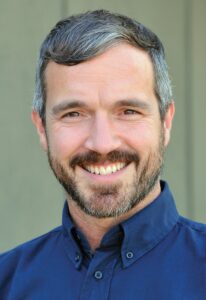
Alex Foster, Animal Care Coordinator and Public Educator
Alex Foster is the pivotal Animal Care Coordinator, managing the scheduling, training, and deployment of all primary care volunteers and serving as the lead interface for community education, a dual role that requires exceptional organizational and interpersonal skills. Holding a degree in Wildlife Biology and having previously worked as a park ranger, Alex brings a deep understanding of animal behavior, enabling the team to implement effective environmental enrichment and anti-habituation protocols within the enclosures. Alex’s primary focus is maintaining the strict daily routine of the sanctuary, ensuring that feeding times are met, habitats are sanitized, and the condition of every patient is logged meticulously, crucial for catching subtle signs of deterioration or improvement. In their public-facing role, Alex conducts most of the educational outreach, skillfully translating the complex science of rehabilitation into accessible, engaging messages for community groups and schools, fostering the next generation of wildlife stewards.
Our work
Public Outreach & Education
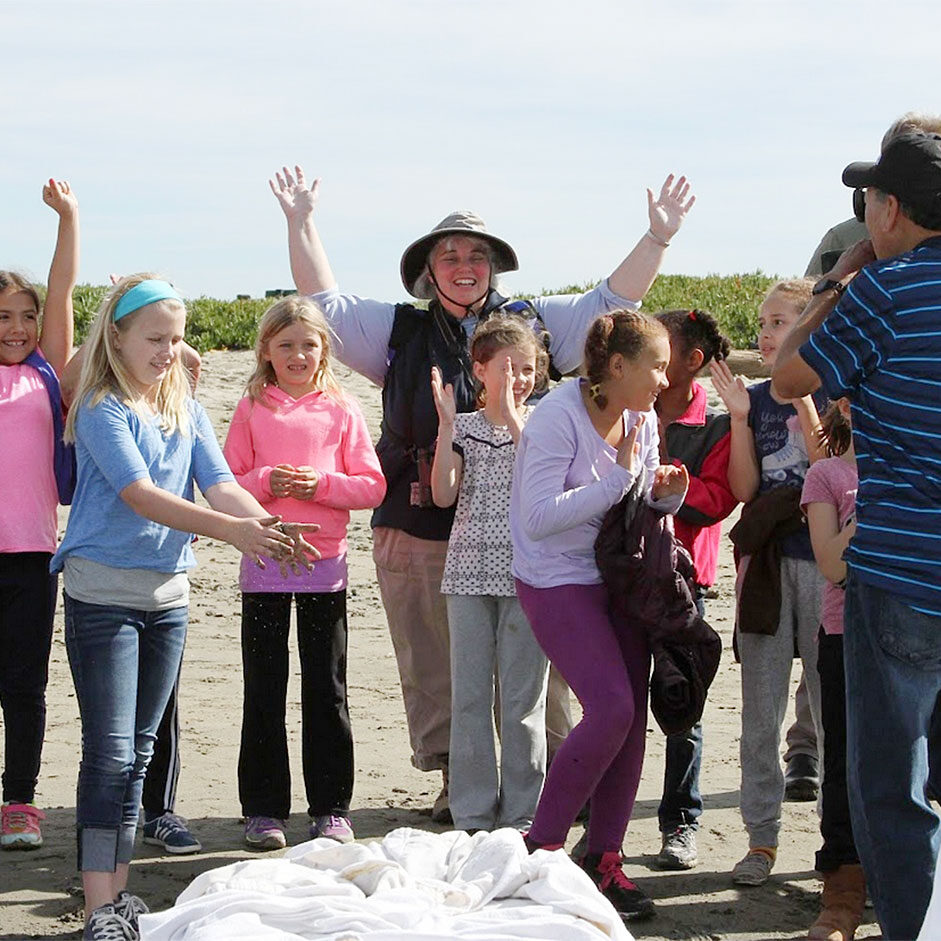
Our public outreach and education efforts are foundational to the mission of coexistence, operating under the principle that proactive awareness prevents many of the injuries and conflicts that necessitate our intervention. We conduct frequent online webinars, hands-on (non-animal contact) workshops, and provide detailed informational resources covering topics critical to community stewardship, such as recognizing signs of animal distress, understanding the nuances of local species’ nesting and feeding habits, and implementing humane solutions for preventing conflicts with common suburban wildlife like raccoons, opossums, and foxes. A key focus is on preventing “kidnapping” of wildlife—teaching citizens how to properly assess a situation before intervening with seemingly abandoned young animals, which often do not require rescue and are simply waiting for their parents to return. By providing clear, scientifically accurate, and ethical guidance, we empower every citizen to make responsible decisions that safeguard both human safety and the future of our wild neighbors, ensuring our sanctuary’s work is magnified by a network of informed community partners.
Enrichment & Re-wilding Training
Enrichment and re-wilding training constitute the specialized and often most complex phase of rehabilitation, a critical process designed to transition the healed patient from a medical environment back to a state of complete self-sufficiency in the wild. This training involves introducing complex, species-appropriate stimuli and challenges within the pre-release enclosures to encourage the development and retention of natural instincts, such as scattering food to promote foraging behavior rather than simply placing it in a bowl, or installing perching and climbing structures that mimic the unstable conditions of a natural forest canopy. For predator species, this can include presenting moving “prey” items to hone hunting skills, while for raptors, it involves utilizing expansive flight cages to test endurance, maneuverability, and stealth necessary for a successful hunt. The entire process is conducted under strict visual barriers and with minimal human presence, using techniques like masked feeding and remote monitoring, ensuring that the animals associate the enrichment challenges with their natural environment and develop an intense avoidance of human sight, sound, and scent, a critical factor for post-release survival.
Wildlife Health & Behavior Assessment
Ensuring Physical and Psychological Readiness for the Wild.
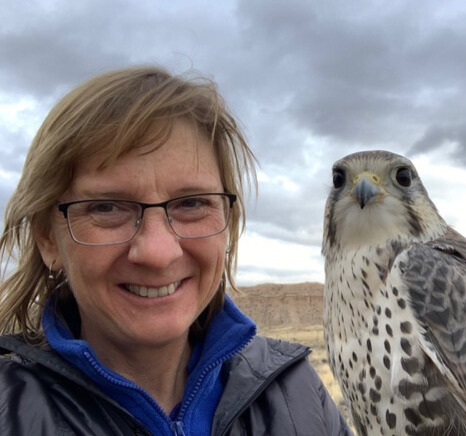
Before any animal is cleared for release, it undergoes a rigorous, multi-faceted health and behavior assessment designed to guarantee it possesses both the physical fitness and the psychological preparedness necessary to thrive without human aid. The health assessment includes final veterinary check-ups, necessary blood work (especially for common pathogens), and a physical fitness test tailored to the species—such as endurance flights for birds, climbing strength tests for squirrels, or speed and agility assessments for deer. Simultaneously, the behavioral assessment, often utilizing non-invasive remote camera monitoring, confirms that the animal exhibits appropriate wild behaviors, including a strong fear response to humans, proficient foraging techniques, natural aggression toward appropriate stimuli, and successful integration into a peer group (for social species). Only when an animal demonstrates full physical recovery, zero dependence on human caretakers, and the complete repertoire of necessary survival skills is the release date planned, providing an ethical assurance that our efforts have indeed given the animal a true second chance at a wild life.
Evidence-Based Medicine Guiding Every Step of Recovery
Our rehabilitation protocols are built upon a foundation of evidence-based veterinary medicine and the latest research in wildlife care, ensuring that every therapeutic intervention is both effective and appropriate for the patient’s wild nature. These protocols cover every step of the patient’s stay, from initial pain management and stabilization using controlled substance protocols, to specialized wound care involving sterile techniques and species-appropriate bandaging, and complex nutritional support, often utilizing custom-compounded diets to manage specific metabolic needs. For instance, animals with neurological injuries follow a strict physical therapy regimen, while those recovering from burns or complex fractures are managed using advanced, often external, fixation techniques provided by our consulting surgical team. Our adherence to these rigorous, documented protocols ensures consistency across all patient care, maximizes the speed and completeness of recovery, and, critically, maintains the strict behavioral standards required for successful re-wilding, ultimately proving the integrity and quality of our professional care.
Programs/Services
Specialized Care and Community Services
Two Hearts Wildlife Rehab Rescue and Sanctuary is permitted and equipped to provide specialized rehabilitation services for a wide variety of native wildlife, including small- to medium-sized mammals such as raccoons, opossums, squirrels, foxes, and bats; various non-venomous and some venomous reptiles (handled with strict safety protocols and specialized enclosures); and an extensive array of avian patients, including songbirds, waterfowl, and birds of prey like owls and hawks (raptors). Each species category is managed under distinct protocols, recognizing the vast differences in dietary requirements, housing needs, disease susceptibilities, and necessary pre-release conditioning—for instance, fawns require specialized handling to prevent imprinting, while flight cages for owls must be designed to accommodate silent flight practice. Our facilities include dedicated medical isolation units, specialized nursery brooders for neonates, and large, naturalized outdoor enclosures that cater specifically to the mobility and behavioral needs of each patient group, ensuring the highest standards of care across the rich tapestry of local biodiversity.
Community & Engagement
Family Involvement: Community Rescuer Training
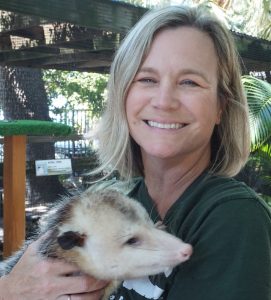
While direct, hands-on interaction with our patients is strictly limited to licensed professionals to prevent habituation, Two Hearts deeply values community involvement and channels this energy into formalized “Community Rescuer Training” programs, transforming public concern into effective, safe action. These intensive, hands-on training sessions (utilizing training materials and safe handling tools) educate members of the public on the critical initial steps of wildlife rescue, including proper identification of species, assessing injury severity, using safe containment and transport methods (such as appropriate carriers and blankets), and understanding all legal mandates and prohibitions regarding wildlife handling. We offer specialized workshops on complex topics like “How to Safely and Humanely Remove an Animal from a Trap” or “Handling and Transporting Injured Raptors,” equipping citizens with the confidence and skills necessary to serve as the immediate, crucial link in the chain of survival for an injured animal. This active partnership increases our reach and response time dramatically, ensuring that injured animals are contained quickly and correctly before being delivered to our expert care.
Testimonials
Voices of Our Partners and Community Rescuers
Dr. Elena Vasquez, Senior Emergency Veterinarian, Coastal Animal Hospital, Partner since 2018. “Working alongside the Two Hearts team has been professionally transformative; their level of dedication and their adherence to strict, evidence-based medical protocols for wildlife is second to none, often surpassing what we see in domestic care. When an animal arrives at our hospital from their intake, we know it’s already been properly stabilized and that the medical history is meticulously documented, allowing us to move immediately to definitive care like complex fracture repair or specialized ophthalmology. Their commitment to minimizing stress and habituation, even while managing severe trauma, speaks volumes about their ethical standards. The results speak for themselves—we’ve seen critically injured raptors fly again, thanks to the continuum of medical and rehabilitative care that only Two Hearts can provide in this region.”
Mr. John Halbrook, Community Rescuer, Retired Educator, Assisted with 12 rescues in the past year. “After attending the Community Rescuer Training workshop held by Alex Foster, I felt completely prepared and confident when I recently encountered a juvenile raccoon trapped in a storm drain near my home. Before the training, I would have panicked or attempted a potentially harmful, unsafe intervention, but I followed the Two Hearts protocol to the letter: containment with minimal stress, no food or water, and immediate contact. Their guidance on the phone was calm and professional, and I was able to safely transport the animal to the sanctuary. It’s incredibly rewarding to know that the small part I played in that rescue made a life-or-death difference, and it’s a direct testament to the professionalism and educational outreach of the Two Hearts team.”
Sarah and Ben Li, Private Landowners and Release Site Partners since 2021. “We were initially hesitant to open our protected acreage for wildlife releases, but the Two Hearts team, led by Michael Chen, made the process seamless and deeply ethical. They conducted a meticulous site survey, ensuring our land provided the exact resources and seclusion needed for the species of fox being released, and they handled the soft-release setup with absolute professionalism, leaving no trace of their presence. The care and respect they showed for both the animal and our property was impressive. Seeing the rehabilitated fox successfully emerge from its temporary enclosure and disappear into the treeline, strong and healthy, was a deeply emotional and rewarding experience that confirmed our commitment to supporting their incredible work.”
Ms. Kelly Davies, Local Elementary School Science Teacher, Educational Partner. “Our school partners with Two Hearts for an annual conservation module, and the impact of their educational materials on my fifth-grade students is profound, instantly transforming abstract concepts into tangible, local action. Their staff, particularly Alex, is exceptional at presenting complex ecological ideas—like the impact of pesticides on raptor populations or the role of opossums as natural tick-control agents—in an engaging, age-appropriate manner that sparks genuine empathy and curiosity. The focus on responsible coexistence rather than simply ‘saving’ animals instills a true sense of environmental stewardship, and I’ve noticed a significant increase in student-led, humane conflict mitigation projects in our community gardens since we started this partnership.”
Our Volunteer
Becoming an Essential Link in the Chain of Wildlife Survival
Volunteers are the absolute lifeblood of Two Hearts Wildlife Rehab Rescue and Sanctuary, providing the essential, dedicated labor required to operate a 24/7 care facility and ensuring the highest standard of daily management for our patients. The work of a volunteer is fundamentally focused on supporting the animals’ recovery without becoming a source of human attachment, meaning the tasks are often rigorous, repetitive, and conducted with minimal direct interaction to promote successful re-wilding. Your commitment allows licensed rehabilitators to focus on critical medical care, admissions, and complex behavioral conditioning, while you provide the foundational stability that every patient requires to heal. The requirements are high: an initial training period, consistent scheduling, and an unwavering adherence to strict cleanliness, dietary, and non-handling protocols, but the reward is the profound, quiet satisfaction of knowing your hands-on effort contributed directly to a successful release back into the wild, a deeply meaningful contribution to conservation.
Diverse Roles for Every Skill Set and Schedule
Find Your Place in the Sanctuary, From Direct Care Support to Administrative Assistance.
We offer a variety of volunteer roles designed to match different skills, interests, and time commitments, all of which are vital to the continuous operation and success of the sanctuary’s mission. The most critical role is the Animal Care Assistant, which involves hands-on tasks such as meticulous enclosure cleaning, laundry, preparing species-specific diets (following exact nutritional guidelines), and facility maintenance, all performed with a disciplined commitment to noise reduction and visual barriers. For those who cannot commit to daily on-site shifts, we offer opportunities for Administrative Support, assisting with data entry, documentation, donor acknowledgement, and event planning, which are crucial for our operational efficiency and fundraising success. Additionally, we actively seek volunteers with specific technical skills for roles like Transport & Rescue Support, involving the safe collection and delivery of stabilized patients, or Habitat Builders and maintenance experts who help construct and repair our specialized pre-release enclosures and flight cages, demonstrating that every talent can be deployed in service of wildlife.
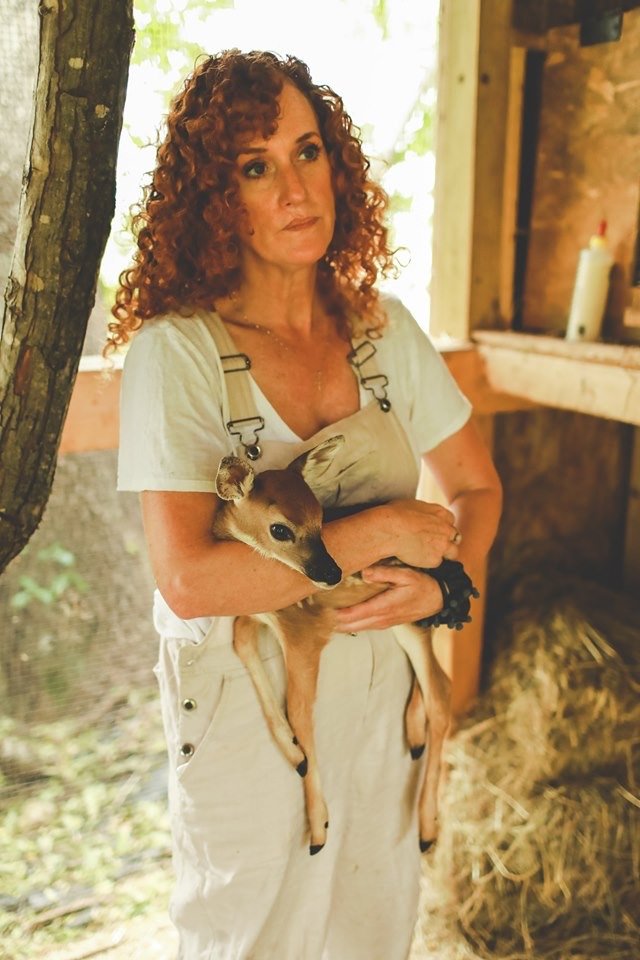
Your Time Directly Translates to Triumphant Wildlife Releases
Measuring the Value of Volunteering in Successful Conservation Outcomes.
The impact of your volunteer time at Two Hearts is not measured in hours but in the successful outcomes it facilitates, directly translating into life-saving medical care and triumphant returns to the natural habitat. By covering the foundational, labor-intensive tasks of daily operations, you free up the limited time of our professional rehabilitators, allowing them to dedicate their focus to complex medical treatments, advanced behavioral conditioning, and critical admissions that require their licensed expertise. Every hour you spend meticulously scrubbing an enclosure prevents the spread of disease; every meal you prepare correctly fuels a neonate’s growth; and every transport you assist with ensures an injured animal reaches definitive care hours sooner. Ultimately, volunteering with us means becoming a vital, quiet partner in a conservation success story—you are instrumental in transforming a frightened, injured patient into a strong, wild survivor, fulfilling the very mission of coexistence that defines our organization.
FAQ’s
Essential Information About Our Work and How to Help
Question 1: What should I do if I find an injured or orphaned animal, and what species do you accept?
If you find injured or orphaned wildlife, the single most important action is to do not handle the animal unless absolutely necessary for safety and to keep it contained, and immediately call our rescue hotline or email us for professional guidance before taking any action. Many seemingly orphaned animals, such as fawns or baby rabbits, are not actually abandoned, and unnecessary human intervention can cause more harm than good, often leading to illegal possession and potential habituation. We accept most native South Carolina wildlife, including mammals, raptors, and many avian and reptile species, but we are not legally permitted to accept domestic animals (dogs, cats, livestock) or venomous snakes without specific, pre-arranged protocols, and we always advise consulting with us first as our intake is regulated by permits and our capacity changes based on current patient load.
Question 2: How do you ensure that rehabilitated animals do not become habituated to humans and can survive in the wild?
Preventing habituation is the single highest priority of our rehabilitation protocol, and we employ rigorous, multi-layered strategies to ensure every animal retains a healthy fear of humans necessary for survival after release. Our staff and volunteers adhere to strict non-contact rules, using specialized feeding techniques, wearing masks, gloves, and camouflage where necessary, and utilizing minimal handling techniques for medical procedures. The animals are housed in enclosures designed with sight and sound barriers, and the final stages of re-wilding incorporate specialized enrichment—such as puzzle feeders, moving targets, and aversion conditioning—designed to challenge their natural instincts and explicitly associate negative stimuli with human presence, all to ensure their survival skills and natural wariness are fully intact when they are returned to their native environment.
Question 3: What is the cost of wildlife rehabilitation, and how is the organization funded?
The cost of professional wildlife rehabilitation is substantial and often runs into thousands of dollars for complex cases involving surgery, specialized medication, round-the-clock neonate care, and months of specialized pre-release housing and conditioning, as every aspect of care is donated or funded by private contributions. Two Hearts Wildlife Rehab Rescue and Sanctuary operates entirely as a non-profit organization (501(c)(3)) and receives absolutely no federal or state government funding for our operational costs or patient care, relying completely on the generosity of private donors, community fundraising events, corporate sponsorships, and grants. Every dollar donated directly funds the supplies, medical costs, specialized feed, and facility maintenance necessary to give a second chance to animals that have no one else to advocate for their survival and recovery.
Question 4: Do you offer guided tours or allow the public to interact with the animals?
Due to the critical necessity of preventing human habituation in our wild patients and maintaining a sterile environment to prevent the spread of disease, we have a strict no-public-access policy to the patient care and enclosure areas of the sanctuary, and therefore, we do not offer typical guided tours or allow any direct public interaction with the animals in rehabilitation. The stress of human noise, scent, and proximity can severely impede an animal’s recovery, compromise its ability to survive in the wild upon release, and in some cases, can even lead to the necessity of humane euthanasia if habituation is too severe. We do, however, offer limited, pre-scheduled educational events and open days where the public can tour non-patient facilities, view educational exhibits, and meet our select non-releasable ambassador animals, who have been deemed non-viable for release and are used to safely further our conservation education mission.
Question 5: What is the process for releasing a rehabilitated animal, and how do you choose the location?
The release process is treated with the same meticulous care as the rescue itself, involving a multi-step evaluation to ensure the animal is medically and behaviorally ready, followed by careful selection of an appropriate release site. The site is chosen based on a comprehensive ecological survey, verifying the presence of abundant natural food sources, water, and shelter appropriate for the species, while also considering the population density of that species in the area to avoid over-stressing the local ecosystem, and minimizing proximity to high-traffic human areas. We primarily utilize soft release methods, where the animal is placed in a temporary enclosure at the chosen site for a period of acclimation before the door is opened, allowing for a gradual, less stressful return to independence, with the ultimate goal being sustained survival in a safe, appropriate habitat.
Question 6: Can I bring my injured animal directly to your address, and what information do you require?
We operate on an appointment and consultation basis to ensure that we are ready to receive and immediately stabilize a patient upon arrival, so we strongly advise that you do not arrive unannounced with an injured animal, but rather call or email us first at info@thwrrs.site to pre-arrange a drop-off time. This crucial pre-arrival consultation allows our team to prepare the correct species-specific enclosure, alert our veterinary partners if immediate specialized care is required, and advise you on the safest handling and transport method to prevent further injury to the animal or yourself. When you contact us, please be prepared to provide the precise location the animal was found, the apparent nature and cause of the injury, the exact species and age class if known, and a reliable contact number, all of which are essential details for the patient’s file and their successful rehabilitation plan.
Contact Us
Connect with Two Hearts Wildlife Rehab Rescue and Sanctuary
Two Hearts Wildlife Rehab Rescue and Sanctuary is readily available to receive information regarding injured or orphaned wildlife, offer guidance on coexistence, and process all general inquiries, with multiple dedicated channels ensuring you can reach the right resource quickly and effectively. For immediate wildlife emergencies or to report an animal in distress, we highly recommend calling our dedicated rescue line, although this number is provided to the public upon first contact via email or our website’s emergency submission form, as we prioritize rapid response to critical situations. For all general questions about donations, volunteering, educational programs, or partnership opportunities, we ask that you utilize our primary email address, info@thwrrs.site, which is monitored consistently by our administrative team, ensuring a detailed and timely response to your query within 48 hours, allowing us to maintain focus on patient care during operational hours.
Join Us
Your Path to a Fulfilling Career in Wildlife Conservation
A professional career at Two Hearts Wildlife Rehab Rescue and Sanctuary offers a profoundly rewarding path for individuals passionate about animal welfare, conservation biology, and high-level, ethical veterinary practice, placing you at the forefront of local wildlife preservation efforts. We seek candidates who are not only highly skilled in veterinary science, animal behavior, or non-profit administration but who also possess the unique emotional resilience and unwavering dedication required for the physically and emotionally challenging work of rehabilitation, which often demands long, unpredictable hours and meticulous attention to detail. Our organizational ethos is centered on continuous learning and the application of evidence-based methods, ensuring that every staff member is trained in the latest protocols for species-specific care, injury assessment, and, critically, non-habituation techniques. We offer opportunities for Licensed Wildlife Rehabilitators, Veterinary Technicians, and specialized administrative roles, each contributing an indispensable component to the continuum of care that defines our success.