
Our Mission
A Second Chance for Every Injured and Orphaned Animal
The mission of Two Hearts Wildlife Rehab Rescue and Sanctuary is unwavering: to provide exceptional, specialized care to native wildlife in need, with the singular goal of rehabilitation and successful return to the wild, ensuring that every injured or orphaned creature receives a second chance at life in its natural habitat. This commitment involves securing the necessary permits and maintaining the highest ethical and medical standards, recognizing the profound responsibility we bear for the lives entrusted to us and the integrity of the natural world. Our work is driven by a deep understanding of wildlife biology and the complex challenges of coexisting with wild populations, necessitating not only physical healing but also the crucial behavioral conditioning that enables successful re-wilding and long-term survival post-release. We are constantly seeking to refine our techniques, expand our knowledge base, and collaborate with conservationists and veterinarians to ensure our practices represent the absolute best available care for the diverse array of species we serve, solidifying our pledge to wildlife preservation.

Our Vision
Building a Future Where Wildlife Thrives Alongside Humanity
Our vision is to see a future where the necessity for extensive wildlife rehabilitation is significantly reduced, achieved through widespread public awareness, responsible human development, and a shared community commitment to environmental stewardship. We strive to be recognized as a leading authority in compassionate wildlife rehabilitation and public education in the region, using our success stories and scientific data to inform broader conservation efforts and policy discussions regarding habitat protection and conflict mitigation. This vision includes expanding our facility to incorporate specialized, non-public viewing habitats for educational purposes (using non-releasable ambassador animals) and establishing a formalized research program focused on post-release monitoring to better understand the long-term impacts of rehabilitation. We believe that by fostering a more profound connection and mutual respect between humanity and the wild, we can contribute to a healthier, more balanced ecosystem for generations to come, moving beyond mere rescue to fundamental conservation.

Our Vision
Compassion, Integrity, Expertise, and Stewardship in Action
The daily operations of Two Hearts are governed by four core values: Compassion, the empathetic drive to alleviate suffering in every animal we encounter; Integrity, ensuring all our actions are transparent, ethical, and legally compliant under state and federal wildlife regulations; Expertise, committing to continuous professional development, scientific rigor, and specialized medical protocols; and Stewardship, recognizing our responsibility to protect the environment and educate the public on responsible care for all natural resources. These values dictate everything from our fundraising practices, which prioritize direct patient care, to our interactions with the public, which are always respectful and informative, even in stressful situations. We maintain a zero-tolerance policy for euthanasia unless it is strictly recommended by a licensed veterinarian to prevent intractable suffering or if the animal’s injuries make successful re-wilding impossible, always prioritizing quality of life and the ethical outcome for the patient.
Enrichment & Re-wilding Training
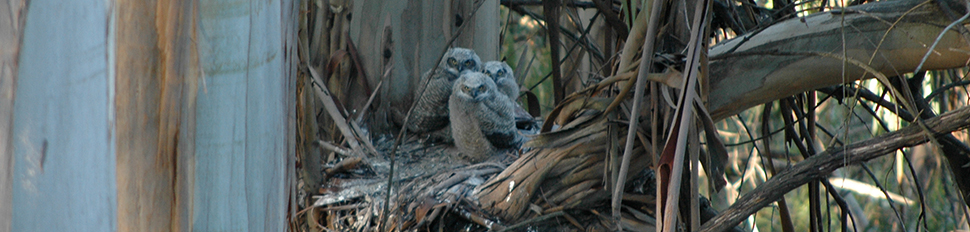
Enrichment and re-wilding training constitute the specialized and often most complex phase of rehabilitation, a critical process designed to transition the healed patient from a medical environment back to a state of complete self-sufficiency in the wild. This training involves introducing complex, species-appropriate stimuli and challenges within the pre-release enclosures to encourage the development and retention of natural instincts, such as scattering food to promote foraging behavior rather than simply placing it in a bowl, or installing perching and climbing structures that mimic the unstable conditions of a natural forest canopy. For predator species, this can include presenting moving “prey” items to hone hunting skills, while for raptors, it involves utilizing expansive flight cages to test endurance, maneuverability, and stealth necessary for a successful hunt. The entire process is conducted under strict visual barriers and with minimal human presence, using techniques like masked feeding and remote monitoring, ensuring that the animals associate the enrichment challenges with their natural environment and develop an intense avoidance of human sight, sound, and scent, a critical factor for post-release survival.
Programs/Services
Specialized Care and Community Services
Two Hearts Wildlife Rehab Rescue and Sanctuary is permitted and equipped to provide specialized rehabilitation services for a wide variety of native wildlife, including small- to medium-sized mammals such as raccoons, opossums, squirrels, foxes, and bats; various non-venomous and some venomous reptiles (handled with strict safety protocols and specialized enclosures); and an extensive array of avian patients, including songbirds, waterfowl, and birds of prey like owls and hawks (raptors). Each species category is managed under distinct protocols, recognizing the vast differences in dietary requirements, housing needs, disease susceptibilities, and necessary pre-release conditioning—for instance, fawns require specialized handling to prevent imprinting, while flight cages for owls must be designed to accommodate silent flight practice. Our facilities include dedicated medical isolation units, specialized nursery brooders for neonates, and large, naturalized outdoor enclosures that cater specifically to the mobility and behavioral needs of each patient group, ensuring the highest standards of care across the rich tapestry of local biodiversity.
FAQ’s
Essential Information About Our Work and How to Help
Question 1: What should I do if I find an injured or orphaned animal, and what species do you accept?
If you find injured or orphaned wildlife, the single most important action is to do not handle the animal unless absolutely necessary for safety and to keep it contained, and immediately call our rescue hotline or email us for professional guidance before taking any action. Many seemingly orphaned animals, such as fawns or baby rabbits, are not actually abandoned, and unnecessary human intervention can cause more harm than good, often leading to illegal possession and potential habituation. We accept most native South Carolina wildlife, including mammals, raptors, and many avian and reptile species, but we are not legally permitted to accept domestic animals (dogs, cats, livestock) or venomous snakes without specific, pre-arranged protocols, and we always advise consulting with us first as our intake is regulated by permits and our capacity changes based on current patient load.
Question 2: How do you ensure that rehabilitated animals do not become habituated to humans and can survive in the wild?
Preventing habituation is the single highest priority of our rehabilitation protocol, and we employ rigorous, multi-layered strategies to ensure every animal retains a healthy fear of humans necessary for survival after release. Our staff and volunteers adhere to strict non-contact rules, using specialized feeding techniques, wearing masks, gloves, and camouflage where necessary, and utilizing minimal handling techniques for medical procedures. The animals are housed in enclosures designed with sight and sound barriers, and the final stages of re-wilding incorporate specialized enrichment—such as puzzle feeders, moving targets, and aversion conditioning—designed to challenge their natural instincts and explicitly associate negative stimuli with human presence, all to ensure their survival skills and natural wariness are fully intact when they are returned to their native environment.
Question 3: What is the cost of wildlife rehabilitation, and how is the organization funded?
The cost of professional wildlife rehabilitation is substantial and often runs into thousands of dollars for complex cases involving surgery, specialized medication, round-the-clock neonate care, and months of specialized pre-release housing and conditioning, as every aspect of care is donated or funded by private contributions. Two Hearts Wildlife Rehab Rescue and Sanctuary operates entirely as a non-profit organization (501(c)(3)) and receives absolutely no federal or state government funding for our operational costs or patient care, relying completely on the generosity of private donors, community fundraising events, corporate sponsorships, and grants. Every dollar donated directly funds the supplies, medical costs, specialized feed, and facility maintenance necessary to give a second chance to animals that have no one else to advocate for their survival and recovery.
Question 4: Do you offer guided tours or allow the public to interact with the animals?
Due to the critical necessity of preventing human habituation in our wild patients and maintaining a sterile environment to prevent the spread of disease, we have a strict no-public-access policy to the patient care and enclosure areas of the sanctuary, and therefore, we do not offer typical guided tours or allow any direct public interaction with the animals in rehabilitation. The stress of human noise, scent, and proximity can severely impede an animal’s recovery, compromise its ability to survive in the wild upon release, and in some cases, can even lead to the necessity of humane euthanasia if habituation is too severe. We do, however, offer limited, pre-scheduled educational events and open days where the public can tour non-patient facilities, view educational exhibits, and meet our select non-releasable ambassador animals, who have been deemed non-viable for release and are used to safely further our conservation education mission.
Question 5: What is the process for releasing a rehabilitated animal, and how do you choose the location?
The release process is treated with the same meticulous care as the rescue itself, involving a multi-step evaluation to ensure the animal is medically and behaviorally ready, followed by careful selection of an appropriate release site. The site is chosen based on a comprehensive ecological survey, verifying the presence of abundant natural food sources, water, and shelter appropriate for the species, while also considering the population density of that species in the area to avoid over-stressing the local ecosystem, and minimizing proximity to high-traffic human areas. We primarily utilize soft release methods, where the animal is placed in a temporary enclosure at the chosen site for a period of acclimation before the door is opened, allowing for a gradual, less stressful return to independence, with the ultimate goal being sustained survival in a safe, appropriate habitat.
Question 6: Can I bring my injured animal directly to your address, and what information do you require?
We operate on an appointment and consultation basis to ensure that we are ready to receive and immediately stabilize a patient upon arrival, so we strongly advise that you do not arrive unannounced with an injured animal, but rather call or email us first at info@thwrrs.site to pre-arrange a drop-off time. This crucial pre-arrival consultation allows our team to prepare the correct species-specific enclosure, alert our veterinary partners if immediate specialized care is required, and advise you on the safest handling and transport method to prevent further injury to the animal or yourself. When you contact us, please be prepared to provide the precise location the animal was found, the apparent nature and cause of the injury, the exact species and age class if known, and a reliable contact number, all of which are essential details for the patient’s file and their successful rehabilitation plan.