
Our Volunteer
Becoming an Essential Link in the Chain of Wildlife Survival
Volunteers are the absolute lifeblood of Two Hearts Wildlife Rehab Rescue and Sanctuary, providing the essential, dedicated labor required to operate a 24/7 care facility and ensuring the highest standard of daily management for our patients. The work of a volunteer is fundamentally focused on supporting the animals’ recovery without becoming a source of human attachment, meaning the tasks are often rigorous, repetitive, and conducted with minimal direct interaction to promote successful re-wilding. Your commitment allows licensed rehabilitators to focus on critical medical care, admissions, and complex behavioral conditioning, while you provide the foundational stability that every patient requires to heal. The requirements are high: an initial training period, consistent scheduling, and an unwavering adherence to strict cleanliness, dietary, and non-handling protocols, but the reward is the profound, quiet satisfaction of knowing your hands-on effort contributed directly to a successful release back into the wild, a deeply meaningful contribution to conservation.
Diverse Roles for Every Skill Set and Schedule
Find Your Place in the Sanctuary, From Direct Care Support to Administrative Assistance.
We offer a variety of volunteer roles designed to match different skills, interests, and time commitments, all of which are vital to the continuous operation and success of the sanctuary’s mission. The most critical role is the Animal Care Assistant, which involves hands-on tasks such as meticulous enclosure cleaning, laundry, preparing species-specific diets (following exact nutritional guidelines), and facility maintenance, all performed with a disciplined commitment to noise reduction and visual barriers. For those who cannot commit to daily on-site shifts, we offer opportunities for Administrative Support, assisting with data entry, documentation, donor acknowledgement, and event planning, which are crucial for our operational efficiency and fundraising success. Additionally, we actively seek volunteers with specific technical skills for roles like Transport & Rescue Support, involving the safe collection and delivery of stabilized patients, or Habitat Builders and maintenance experts who help construct and repair our specialized pre-release enclosures and flight cages, demonstrating that every talent can be deployed in service of wildlife.
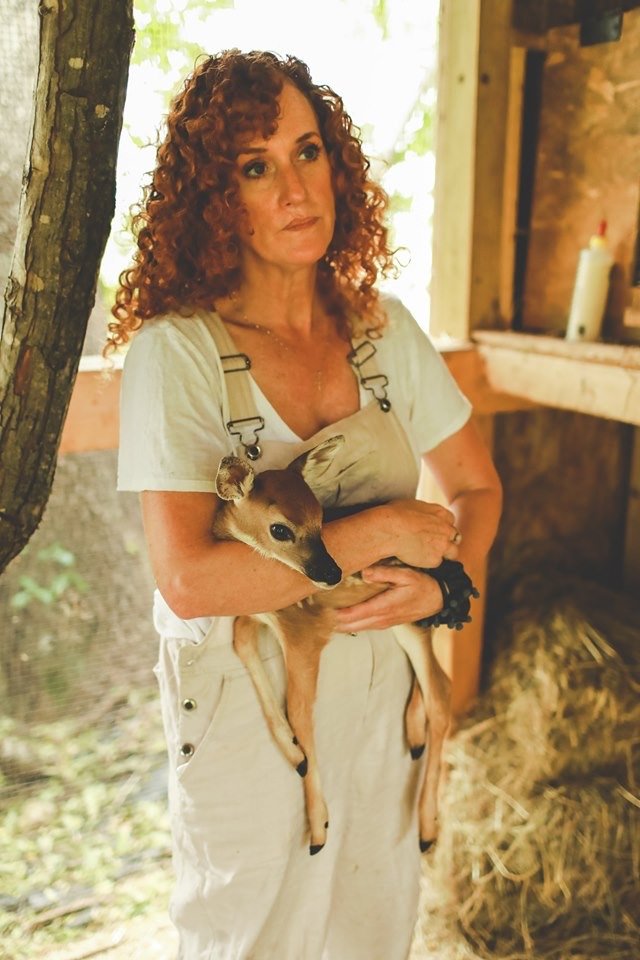
Your Time Directly Translates to Triumphant Wildlife Releases
Measuring the Value of Volunteering in Successful Conservation Outcomes.
The impact of your volunteer time at Two Hearts is not measured in hours but in the successful outcomes it facilitates, directly translating into life-saving medical care and triumphant returns to the natural habitat. By covering the foundational, labor-intensive tasks of daily operations, you free up the limited time of our professional rehabilitators, allowing them to dedicate their focus to complex medical treatments, advanced behavioral conditioning, and critical admissions that require their licensed expertise. Every hour you spend meticulously scrubbing an enclosure prevents the spread of disease; every meal you prepare correctly fuels a neonate’s growth; and every transport you assist with ensures an injured animal reaches definitive care hours sooner. Ultimately, volunteering with us means becoming a vital, quiet partner in a conservation success story—you are instrumental in transforming a frightened, injured patient into a strong, wild survivor, fulfilling the very mission of coexistence that defines our organization.
Contact Us
Connect with Two Hearts Wildlife Rehab Rescue and Sanctuary
Two Hearts Wildlife Rehab Rescue and Sanctuary is readily available to receive information regarding injured or orphaned wildlife, offer guidance on coexistence, and process all general inquiries, with multiple dedicated channels ensuring you can reach the right resource quickly and effectively. For immediate wildlife emergencies or to report an animal in distress, we highly recommend calling our dedicated rescue line, although this number is provided to the public upon first contact via email or our website’s emergency submission form, as we prioritize rapid response to critical situations. For all general questions about donations, volunteering, educational programs, or partnership opportunities, we ask that you utilize our primary email address, info@thwrrs.site, which is monitored consistently by our administrative team, ensuring a detailed and timely response to your query within 48 hours, allowing us to maintain focus on patient care during operational hours.
Join Us
Your Path to a Fulfilling Career in Wildlife Conservation
A professional career at Two Hearts Wildlife Rehab Rescue and Sanctuary offers a profoundly rewarding path for individuals passionate about animal welfare, conservation biology, and high-level, ethical veterinary practice, placing you at the forefront of local wildlife preservation efforts. We seek candidates who are not only highly skilled in veterinary science, animal behavior, or non-profit administration but who also possess the unique emotional resilience and unwavering dedication required for the physically and emotionally challenging work of rehabilitation, which often demands long, unpredictable hours and meticulous attention to detail. Our organizational ethos is centered on continuous learning and the application of evidence-based methods, ensuring that every staff member is trained in the latest protocols for species-specific care, injury assessment, and, critically, non-habituation techniques. We offer opportunities for Licensed Wildlife Rehabilitators, Veterinary Technicians, and specialized administrative roles, each contributing an indispensable component to the continuum of care that defines our success.