Our Team
Dedicated Professionals and Passionate Caregivers
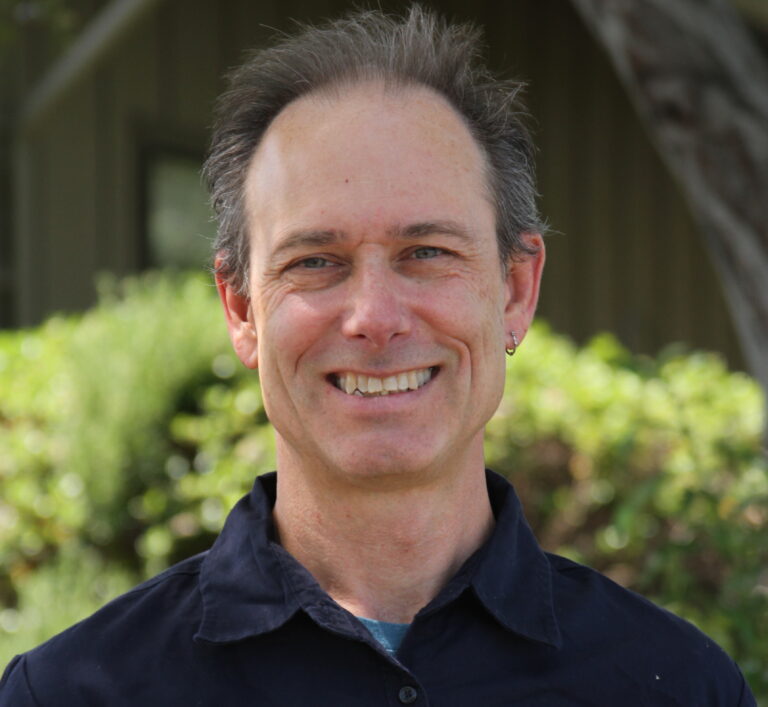
Michael Chen, Director of Operations and Licensed Wildlife Rehabilitator
Michael Chen serves as the Director of Operations and a Senior Licensed Wildlife Rehabilitator, bringing over fifteen years of experience in high-volume rehabilitation centers across the Southeast to his role at Two Hearts. His deep-seated expertise spans avian, mammalian, and specialized raptor care, and he holds advanced certifications in critical care for orphaned neonates and complex fracture management, grounding the organization’s practices in scientific rigor and proven techniques. Michael’s leadership style is characterized by a calm, meticulous approach to crisis management and an absolute dedication to fostering a collaborative, supportive team environment, ensuring that volunteers and staff feel empowered and expertly trained. Beyond the daily demands of running a busy facility, he is responsible for facility maintenance, regulatory compliance, and liaising with state agencies, ensuring that every enclosure and protocol meets the stringent federal and state requirements necessary to operate legally and ethically, making him the strategic backbone of the sanctuary’s success.
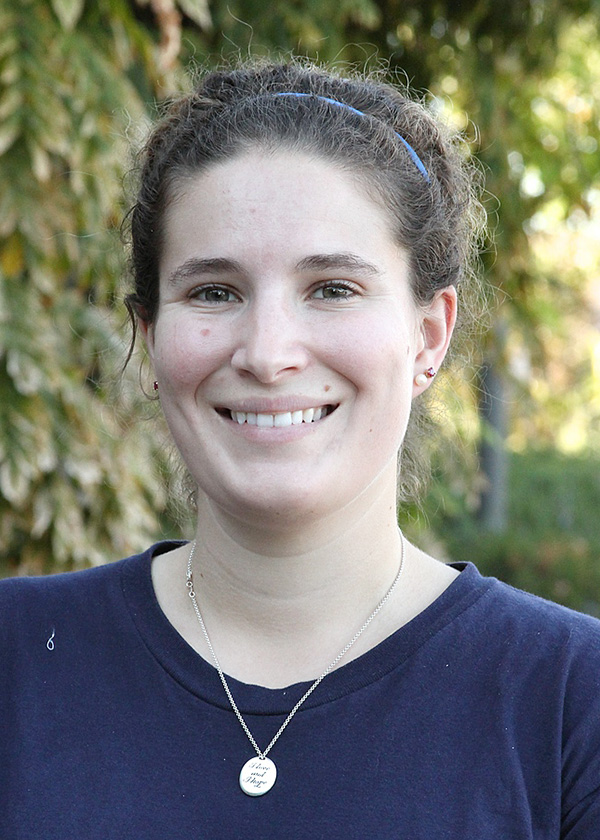
Dr. Sarah Rodriguez, Consulting Veterinary Specialist
Though not a full-time staff member, Dr. Sarah Rodriguez is the invaluable Consulting Veterinary Specialist for Two Hearts, providing critical medical oversight, surgical services, and diagnostic interpretation that is essential for complex patient care. A Board-Certified Veterinary Surgeon with a passion for exotics and non-domestic species, Dr. Rodriguez dedicates a significant portion of her professional time to performing intricate orthopaedic procedures, managing severe trauma cases, and developing medication protocols for our patients, often at heavily reduced or donated rates. Her involvement ensures that the animals under our care receive the same high level of medical attention as domestic pets, directly impacting the success rate for severely injured animals who would otherwise have no chance of survival in the wild. Dr. Rodriguez also plays a vital educational role, training our core team on proper triage techniques, administering specialized injections, and monitoring post-operative recovery, raising the overall medical competency of the entire sanctuary staff.
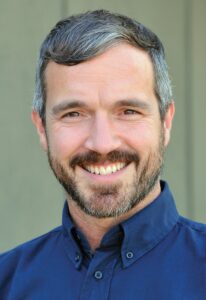
Alex Foster, Animal Care Coordinator and Public Educator
Alex Foster is the pivotal Animal Care Coordinator, managing the scheduling, training, and deployment of all primary care volunteers and serving as the lead interface for community education, a dual role that requires exceptional organizational and interpersonal skills. Holding a degree in Wildlife Biology and having previously worked as a park ranger, Alex brings a deep understanding of animal behavior, enabling the team to implement effective environmental enrichment and anti-habituation protocols within the enclosures. Alex’s primary focus is maintaining the strict daily routine of the sanctuary, ensuring that feeding times are met, habitats are sanitized, and the condition of every patient is logged meticulously, crucial for catching subtle signs of deterioration or improvement. In their public-facing role, Alex conducts most of the educational outreach, skillfully translating the complex science of rehabilitation into accessible, engaging messages for community groups and schools, fostering the next generation of wildlife stewards.
Community & Engagement
Family Involvement: Community Rescuer Training
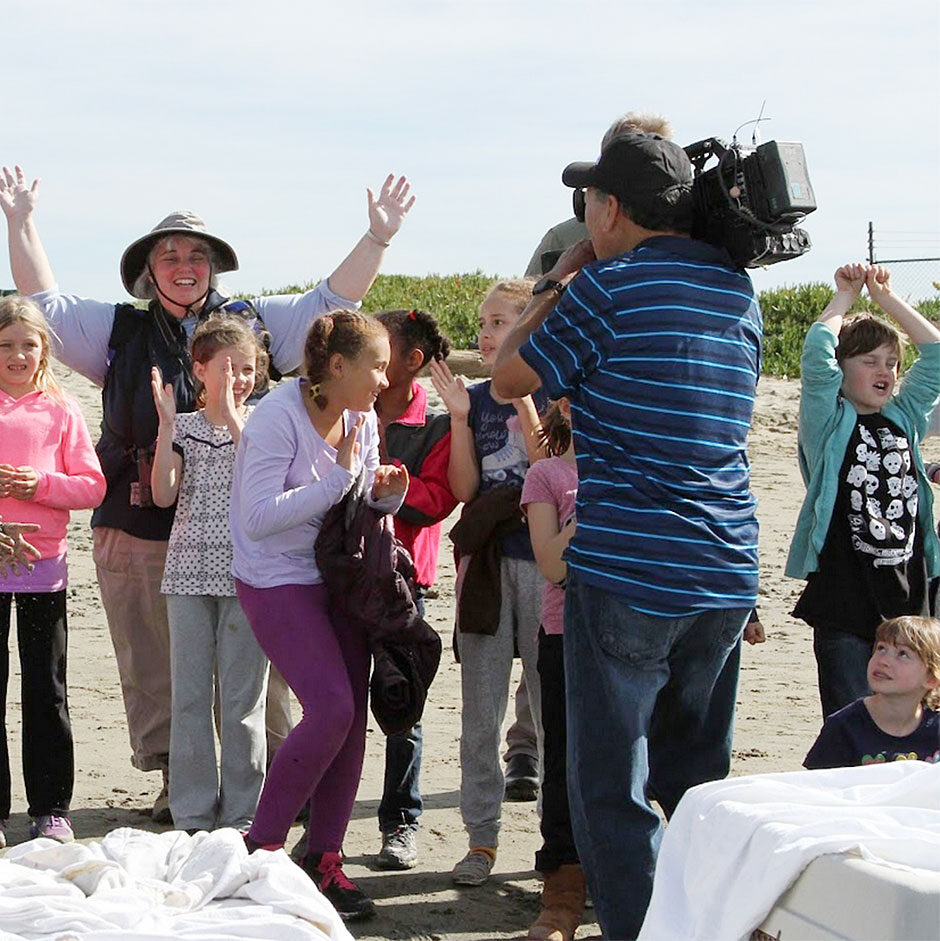
While direct, hands-on interaction with our patients is strictly limited to licensed professionals to prevent habituation, Two Hearts deeply values community involvement and channels this energy into formalized “Community Rescuer Training” programs, transforming public concern into effective, safe action. These intensive, hands-on training sessions (utilizing training materials and safe handling tools) educate members of the public on the critical initial steps of wildlife rescue, including proper identification of species, assessing injury severity, using safe containment and transport methods (such as appropriate carriers and blankets), and understanding all legal mandates and prohibitions regarding wildlife handling. We offer specialized workshops on complex topics like “How to Safely and Humanely Remove an Animal from a Trap” or “Handling and Transporting Injured Raptors,” equipping citizens with the confidence and skills necessary to serve as the immediate, crucial link in the chain of survival for an injured animal. This active partnership increases our reach and response time dramatically, ensuring that injured animals are contained quickly and correctly before being delivered to our expert care.
Join Us
Your Path to a Fulfilling Career in Wildlife Conservation
A professional career at Two Hearts Wildlife Rehab Rescue and Sanctuary offers a profoundly rewarding path for individuals passionate about animal welfare, conservation biology, and high-level, ethical veterinary practice, placing you at the forefront of local wildlife preservation efforts. We seek candidates who are not only highly skilled in veterinary science, animal behavior, or non-profit administration but who also possess the unique emotional resilience and unwavering dedication required for the physically and emotionally challenging work of rehabilitation, which often demands long, unpredictable hours and meticulous attention to detail. Our organizational ethos is centered on continuous learning and the application of evidence-based methods, ensuring that every staff member is trained in the latest protocols for species-specific care, injury assessment, and, critically, non-habituation techniques. We offer opportunities for Licensed Wildlife Rehabilitators, Veterinary Technicians, and specialized administrative roles, each contributing an indispensable component to the continuum of care that defines our success.