
Our work
Public Outreach & Education
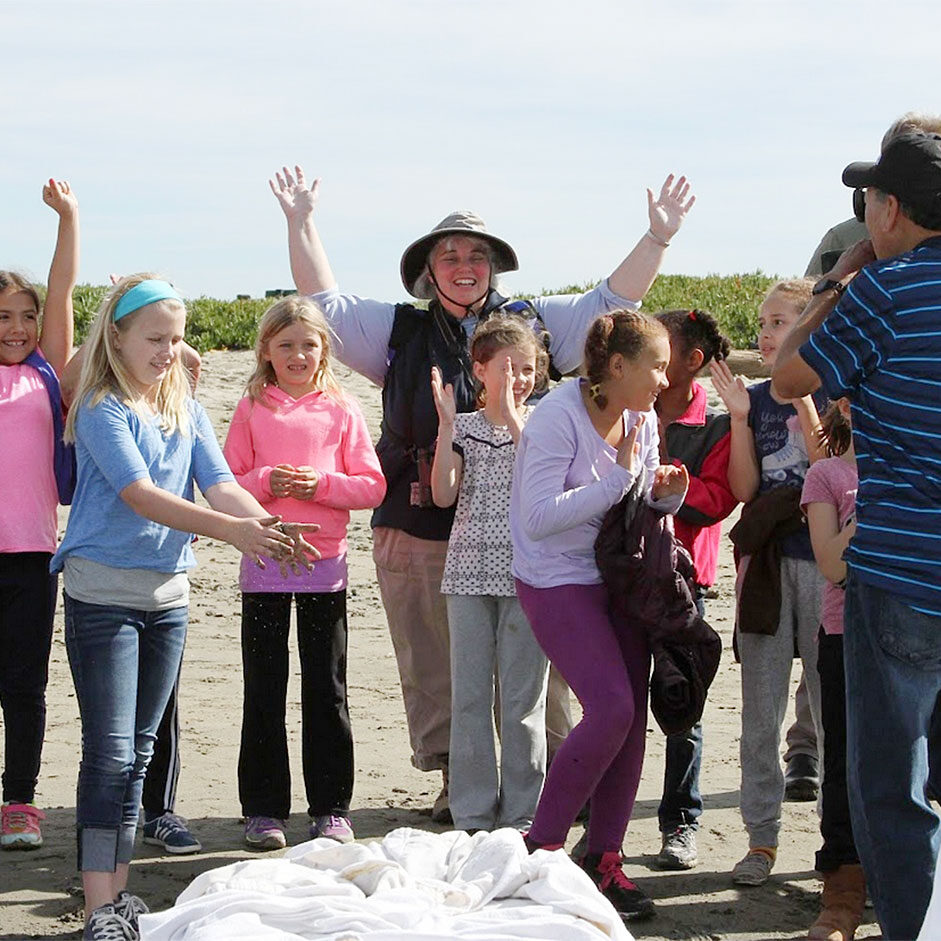
Our public outreach and education efforts are foundational to the mission of coexistence, operating under the principle that proactive awareness prevents many of the injuries and conflicts that necessitate our intervention. We conduct frequent online webinars, hands-on (non-animal contact) workshops, and provide detailed informational resources covering topics critical to community stewardship, such as recognizing signs of animal distress, understanding the nuances of local species’ nesting and feeding habits, and implementing humane solutions for preventing conflicts with common suburban wildlife like raccoons, opossums, and foxes. A key focus is on preventing “kidnapping” of wildlife—teaching citizens how to properly assess a situation before intervening with seemingly abandoned young animals, which often do not require rescue and are simply waiting for their parents to return. By providing clear, scientifically accurate, and ethical guidance, we empower every citizen to make responsible decisions that safeguard both human safety and the future of our wild neighbors, ensuring our sanctuary’s work is magnified by a network of informed community partners.
Enrichment & Re-wilding Training
Enrichment and re-wilding training constitute the specialized and often most complex phase of rehabilitation, a critical process designed to transition the healed patient from a medical environment back to a state of complete self-sufficiency in the wild. This training involves introducing complex, species-appropriate stimuli and challenges within the pre-release enclosures to encourage the development and retention of natural instincts, such as scattering food to promote foraging behavior rather than simply placing it in a bowl, or installing perching and climbing structures that mimic the unstable conditions of a natural forest canopy. For predator species, this can include presenting moving “prey” items to hone hunting skills, while for raptors, it involves utilizing expansive flight cages to test endurance, maneuverability, and stealth necessary for a successful hunt. The entire process is conducted under strict visual barriers and with minimal human presence, using techniques like masked feeding and remote monitoring, ensuring that the animals associate the enrichment challenges with their natural environment and develop an intense avoidance of human sight, sound, and scent, a critical factor for post-release survival.
Wildlife Health & Behavior Assessment
Ensuring Physical and Psychological Readiness for the Wild.
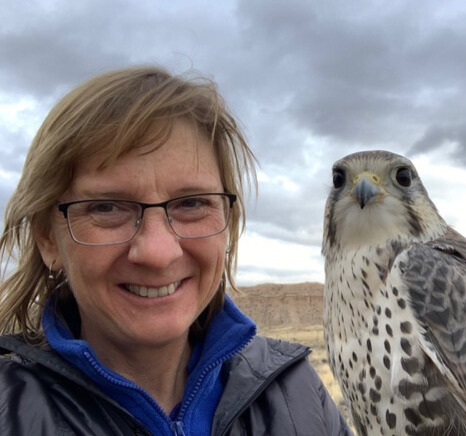
Before any animal is cleared for release, it undergoes a rigorous, multi-faceted health and behavior assessment designed to guarantee it possesses both the physical fitness and the psychological preparedness necessary to thrive without human aid. The health assessment includes final veterinary check-ups, necessary blood work (especially for common pathogens), and a physical fitness test tailored to the species—such as endurance flights for birds, climbing strength tests for squirrels, or speed and agility assessments for deer. Simultaneously, the behavioral assessment, often utilizing non-invasive remote camera monitoring, confirms that the animal exhibits appropriate wild behaviors, including a strong fear response to humans, proficient foraging techniques, natural aggression toward appropriate stimuli, and successful integration into a peer group (for social species). Only when an animal demonstrates full physical recovery, zero dependence on human caretakers, and the complete repertoire of necessary survival skills is the release date planned, providing an ethical assurance that our efforts have indeed given the animal a true second chance at a wild life.
Evidence-Based Medicine Guiding Every Step of Recovery
Our rehabilitation protocols are built upon a foundation of evidence-based veterinary medicine and the latest research in wildlife care, ensuring that every therapeutic intervention is both effective and appropriate for the patient’s wild nature. These protocols cover every step of the patient’s stay, from initial pain management and stabilization using controlled substance protocols, to specialized wound care involving sterile techniques and species-appropriate bandaging, and complex nutritional support, often utilizing custom-compounded diets to manage specific metabolic needs. For instance, animals with neurological injuries follow a strict physical therapy regimen, while those recovering from burns or complex fractures are managed using advanced, often external, fixation techniques provided by our consulting surgical team. Our adherence to these rigorous, documented protocols ensures consistency across all patient care, maximizes the speed and completeness of recovery, and, critically, maintains the strict behavioral standards required for successful re-wilding, ultimately proving the integrity and quality of our professional care.
Programs/Services
Specialized Care and Community Services
Two Hearts Wildlife Rehab Rescue and Sanctuary is permitted and equipped to provide specialized rehabilitation services for a wide variety of native wildlife, including small- to medium-sized mammals such as raccoons, opossums, squirrels, foxes, and bats; various non-venomous and some venomous reptiles (handled with strict safety protocols and specialized enclosures); and an extensive array of avian patients, including songbirds, waterfowl, and birds of prey like owls and hawks (raptors). Each species category is managed under distinct protocols, recognizing the vast differences in dietary requirements, housing needs, disease susceptibilities, and necessary pre-release conditioning—for instance, fawns require specialized handling to prevent imprinting, while flight cages for owls must be designed to accommodate silent flight practice. Our facilities include dedicated medical isolation units, specialized nursery brooders for neonates, and large, naturalized outdoor enclosures that cater specifically to the mobility and behavioral needs of each patient group, ensuring the highest standards of care across the rich tapestry of local biodiversity.
Community & Engagement
Family Involvement: Community Rescuer Training
While direct, hands-on interaction with our patients is strictly limited to licensed professionals to prevent habituation, Two Hearts deeply values community involvement and channels this energy into formalized “Community Rescuer Training” programs, transforming public concern into effective, safe action. These intensive, hands-on training sessions (utilizing training materials and safe handling tools) educate members of the public on the critical initial steps of wildlife rescue, including proper identification of species, assessing injury severity, using safe containment and transport methods (such as appropriate carriers and blankets), and understanding all legal mandates and prohibitions regarding wildlife handling. We offer specialized workshops on complex topics like “How to Safely and Humanely Remove an Animal from a Trap” or “Handling and Transporting Injured Raptors,” equipping citizens with the confidence and skills necessary to serve as the immediate, crucial link in the chain of survival for an injured animal. This active partnership increases our reach and response time dramatically, ensuring that injured animals are contained quickly and correctly before being delivered to our expert care.
Testimonials
Voices of Our Partners and Community Rescuers
Dr. Elena Vasquez, Senior Emergency Veterinarian, Coastal Animal Hospital, Partner since 2018. “Working alongside the Two Hearts team has been professionally transformative; their level of dedication and their adherence to strict, evidence-based medical protocols for wildlife is second to none, often surpassing what we see in domestic care. When an animal arrives at our hospital from their intake, we know it’s already been properly stabilized and that the medical history is meticulously documented, allowing us to move immediately to definitive care like complex fracture repair or specialized ophthalmology. Their commitment to minimizing stress and habituation, even while managing severe trauma, speaks volumes about their ethical standards. The results speak for themselves—we’ve seen critically injured raptors fly again, thanks to the continuum of medical and rehabilitative care that only Two Hearts can provide in this region.”
Mr. John Halbrook, Community Rescuer, Retired Educator, Assisted with 12 rescues in the past year. “After attending the Community Rescuer Training workshop held by Alex Foster, I felt completely prepared and confident when I recently encountered a juvenile raccoon trapped in a storm drain near my home. Before the training, I would have panicked or attempted a potentially harmful, unsafe intervention, but I followed the Two Hearts protocol to the letter: containment with minimal stress, no food or water, and immediate contact. Their guidance on the phone was calm and professional, and I was able to safely transport the animal to the sanctuary. It’s incredibly rewarding to know that the small part I played in that rescue made a life-or-death difference, and it’s a direct testament to the professionalism and educational outreach of the Two Hearts team.”
Sarah and Ben Li, Private Landowners and Release Site Partners since 2021. “We were initially hesitant to open our protected acreage for wildlife releases, but the Two Hearts team, led by Michael Chen, made the process seamless and deeply ethical. They conducted a meticulous site survey, ensuring our land provided the exact resources and seclusion needed for the species of fox being released, and they handled the soft-release setup with absolute professionalism, leaving no trace of their presence. The care and respect they showed for both the animal and our property was impressive. Seeing the rehabilitated fox successfully emerge from its temporary enclosure and disappear into the treeline, strong and healthy, was a deeply emotional and rewarding experience that confirmed our commitment to supporting their incredible work.”
Ms. Kelly Davies, Local Elementary School Science Teacher, Educational Partner. “Our school partners with Two Hearts for an annual conservation module, and the impact of their educational materials on my fifth-grade students is profound, instantly transforming abstract concepts into tangible, local action. Their staff, particularly Alex, is exceptional at presenting complex ecological ideas—like the impact of pesticides on raptor populations or the role of opossums as natural tick-control agents—in an engaging, age-appropriate manner that sparks genuine empathy and curiosity. The focus on responsible coexistence rather than simply ‘saving’ animals instills a true sense of environmental stewardship, and I’ve noticed a significant increase in student-led, humane conflict mitigation projects in our community gardens since we started this partnership.”